
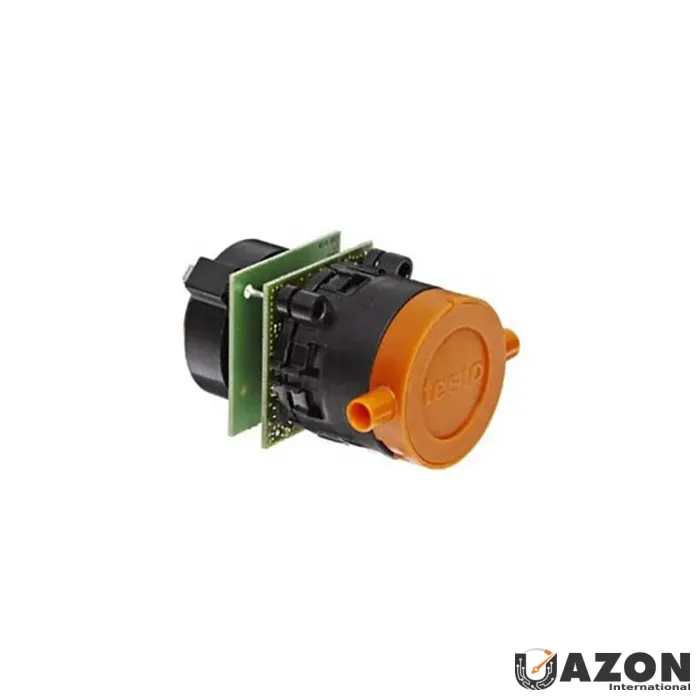



Description
About this model
Understanding the NO-sensor Upgrade for Industrial Gas Analysis
In the demanding world of industrial emissions monitoring and air quality control, precise detection of nitrogen oxides is critical for compliance and safety. The NO-sensor upgrade provides a specialized solution for environments where accurate, reliable measurement of nitric oxide concentrations is required. By focusing on a specific range and offering a granular resolution, this sensor upgrade enhances the capability of existing monitoring systems to detect subtle changes in gas composition. This level of detail is essential for process engineers and environmental managers who need to ensure that their operations stay within strict regulatory limits while maintaining optimal efficiency.
Applications and Benefits of the NO-sensor Upgrade
The primary value of upgrading to a dedicated NO-sensor lies in its targeted performance and integration ease. This device is engineered to deliver consistent results in challenging industrial settings, from power plants to manufacturing facilities. By installing this upgrade, technicians can extend the functional life of their current equipment and improve data accuracy without investing in entirely new systems. The design prioritizes straightforward installation and minimal maintenance, allowing teams to focus on analysis rather than constant recalibration.
- Enhanced detection of nitric oxide for precise environmental monitoring
- Seamless integration with compatible industrial gas analysis systems
- Reliable performance in high-demand operational environments
- Reduced downtime through durable construction and easy maintenance
Selecting the Right NO-sensor for Your Operational Needs
Choosing the appropriate sensor upgrade involves understanding the specific requirements of your application. The NO-sensor upgrade is designed to meet the needs of professionals who require accurate data without unnecessary complexity. When considering this product, it is important to evaluate how its capabilities align with your monitoring objectives. This sensor offers a balanced approach to performance and practicality, making it a suitable choice for a wide range of industrial contexts. Its design ensures that users can achieve reliable measurements while maintaining the integrity of their existing infrastructure.
Key Considerations for Installation and Integration
Before proceeding with the purchase, it is helpful to review the compatibility and installation process. The NO-sensor upgrade is typically straightforward to integrate, but confirming system alignment is a crucial step. Professional installation is recommended to ensure optimal performance and to avoid any potential issues during setup. By planning ahead, you can ensure a smooth transition and immediate benefits from the enhanced monitoring capabilities.
- Verify compatibility with your current gas analysis equipment
- Consult with technical support for installation guidance
- Plan for regular calibration to maintain measurement accuracy
- Consider environmental factors that may affect sensor performance
Maximizing Value with the NO-sensor Upgrade
Investing in this sensor upgrade is a strategic decision that can lead to long-term cost savings and improved operational oversight. The ability to detect nitric oxide with greater precision helps in avoiding non-compliance penalties and reducing wasteful emissions. For businesses focused on sustainability and efficiency, this product represents a practical step toward achieving those goals. The design emphasizes durability and consistent performance, which translates to a lower total cost of ownership over time.
Professional Use Cases and Industry Relevance
The NO-sensor upgrade finds its application across various sectors where air quality monitoring is non-negotiable. From environmental agencies conducting routine checks to industrial plants managing internal emissions, this tool serves a broad audience. Its reliability in continuous operation makes it a trusted component in comprehensive monitoring setups. Professionals rely on such upgrades to maintain data integrity and support decision-making processes with accurate, real-time information.
- Ideal for continuous emissions monitoring systems (CEMS)
- Suitable for research and development in environmental science
- Valuable for compliance auditing and reporting
- Supports proactive maintenance in industrial processes
Why Choose This NO-sensor Upgrade for Your Monitoring System
When evaluating options for sensor enhancements, the focus should be on proven performance and ease of use. This NO-sensor upgrade stands out due to its targeted design and reliable output. It addresses the specific need for nitric oxide detection without introducing unnecessary complexity. By choosing this upgrade, users can trust that they are obtaining a solution that integrates well with existing frameworks and delivers the data required for informed actions. The product's construction and calibration stability contribute to its suitability for long-term deployment.
Comparing Performance and Practical Advantages
This sensor upgrade offers a practical balance between sensitivity and durability. It is built to withstand the rigors of industrial environments while providing the precision needed for accurate measurements. Unlike generic sensors, this model is optimized for nitric oxide detection, ensuring that users get relevant and actionable data. The design minimizes false readings and maintenance needs, which is a significant advantage in continuous monitoring scenarios.
- Optimized for nitric oxide detection with reliable output
- Robust construction suitable for harsh industrial conditions
- Minimal maintenance requirements for continuous operation
- Compatible with a range of existing monitoring systems
Acquiring the NO-sensor Upgrade for Enhanced Monitoring
For professionals ready to improve their gas detection capabilities, purchasing this upgrade is a straightforward process. The product is available through specialized industrial suppliers, ensuring that you receive genuine equipment with appropriate support. When you buy NO-sensor upgrade, you are investing in a solution that aligns with industry standards and best practices. It is advisable to discuss your specific needs with a supplier to confirm that this model meets your application requirements. By making an informed purchase, you can quickly deploy the sensor and start benefiting from enhanced monitoring accuracy.
Understanding the Investment and Long-Term Benefits
The price of NO-sensor upgrade reflects its specialized design and the value it brings to monitoring operations. While initial costs are a consideration, the long-term benefits of accurate detection and reduced downtime often outweigh the investment. This product is positioned as a cost-effective upgrade rather than a complete system replacement, making it an attractive option for many organizations. By evaluating the total cost of ownership, including maintenance and potential compliance savings, the value proposition becomes clear.
- Targeted investment in precise nitric oxide detection
- Potential for significant savings through improved compliance
- Reduced operational costs via minimal maintenance needs
- Enhanced data reliability for better decision-making
Technical Support and Maintenance for the NO-sensor Upgrade
Ensuring the longevity and accuracy of your sensor upgrade involves following recommended maintenance practices. Regular calibration and system checks are key to maintaining performance. Technical support is available to assist with any questions or issues that may arise during the product's lifecycle. By adhering to best practices, you can maximize the return on your investment and keep your monitoring system running smoothly.
Best Practices for Sensor Calibration and Care
Proper calibration is essential for achieving accurate readings with the NO-sensor upgrade. It is recommended to follow the manufacturer's guidelines for calibration intervals and procedures. Environmental factors such as temperature and humidity can influence sensor performance, so periodic checks are advisable. Training staff on proper handling and maintenance can further extend the sensor's operational life.
- Follow scheduled calibration routines for consistent accuracy
- Monitor environmental conditions that may affect readings
- Keep records of maintenance and calibration activities
- Seek professional assistance for complex calibration needs
Integrating the NO-sensor Upgrade into Existing Systems
Compatibility and integration are critical factors when upgrading monitoring equipment. The NO-sensor upgrade is designed to work with a variety of systems, but confirming fit with your specific setup is important. This ensures that data flows seamlessly and that the sensor contributes effectively to your overall monitoring strategy. Professional guidance can help in navigating integration steps and avoiding common pitfalls.
Steps for Successful System Integration
Begin by reviewing the technical specifications of your current system to ensure compatibility. Consult with the supplier or technical support to understand any required adjustments. Plan the installation process to minimize downtime and ensure that all connections are secure. After installation, conduct thorough testing to verify that the sensor is functioning as expected within your monitoring framework.
- Assess system compatibility before purchase
- Engage with support for integration assistance
- Implement installation with minimal disruption to operations
- Test and validate sensor performance post-installation
Conclusion: The Value of Precise Nitric Oxide Monitoring
The NO-sensor upgrade represents a practical and effective solution for enhancing nitric oxide detection in industrial settings. Its focused design, ease of integration, and reliable performance make it a valuable addition to any monitoring system. By choosing this upgrade, professionals can achieve greater accuracy, ensure compliance, and support sustainable operations. The product's durability and low maintenance requirements further contribute to its appeal, making it a smart investment for those committed to quality and precision in gas analysis.