
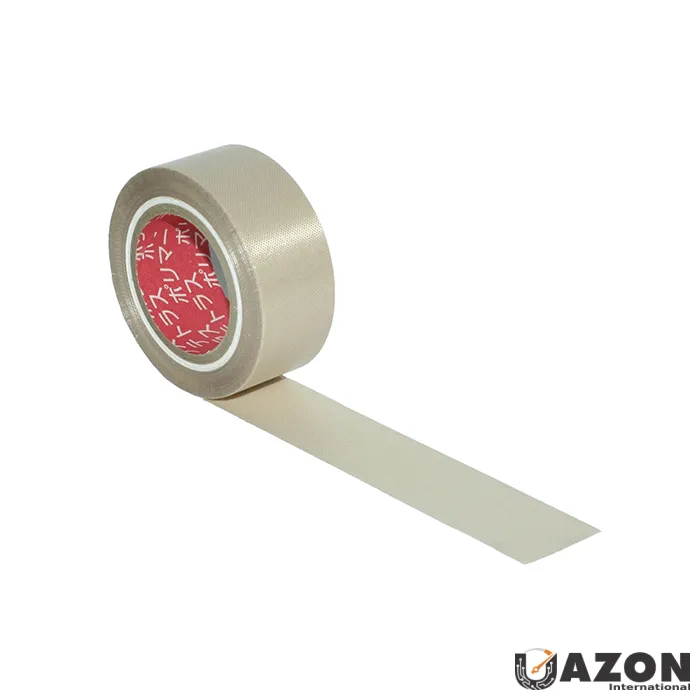



Description
About this model
Using an Emission Tape with a Thermal Imager for Reflective Surfaces
Accurate temperature measurement is fundamental to many professional tasks, from electrical inspections to mechanical diagnostics. However, thermal imaging can present challenges when measuring objects with highly reflective surfaces such as polished metal, aluminum, or coated components. Reflectivity can skew readings by capturing ambient radiation instead of the actual surface temperature, leading to unreliable data. To address this, experts often turn to an emission tape solution. This guide explores how to use an emission tape with a thermal imager to ensure precision on reflective surfaces, why it is a trusted method, and how it enhances the reliability of your thermal analysis.
The Challenge of Measuring Reflective Surfaces with Thermal Imaging
Thermal imagers detect infrared radiation emitted by an object to calculate its surface temperature. In an ideal scenario, the surface emits all the radiation, and the imager captures a perfect reading. Unfortunately, polished metals and other reflective materials have low emissivity, meaning they emit less radiation and reflect more from the surrounding environment. This can cause the thermal camera to display temperature values that are influenced by nearby heat sources, lights, or even the operator’s own body heat. When precision is critical, relying on raw readings from reflective surfaces without correction is often insufficient and can lead to misdiagnosis or missed issues.
When you need to measure the temperature of reflective components, adding a material with known emissivity can dramatically improve accuracy. Emission tape is a widely accepted tool for this purpose. It provides a stable, high-emissivity surface that the thermal imager can read reliably, bypassing the uncertainties of direct reflection. By applying this tape, you effectively create a new surface with predictable thermal properties, allowing the camera to measure the underlying temperature through conduction. This technique is standard practice in many industries where safety and accuracy are paramount, such as power generation, manufacturing, and facility maintenance.
Why Emission Tape Is Essential for Reliable Thermal Measurements
Understanding the role of emission tape begins with the concept of emissivity. Emissivity is a value from 0 to 1 that describes how effectively a surface radiates thermal energy. A perfect blackbody has an emissivity of 1, while a perfect mirror would be close to 0. Most metals fall somewhere between 0.1 and 0.3, making them difficult to measure directly. Emission tape is engineered with a high, stable emissivity, typically around 0.95, which is close to that of a blackbody. This property ensures that the thermal imager receives a strong, consistent signal, minimizing errors caused by reflection and providing a trustworthy temperature reading.
Using emission tape is also a non-destructive, cost-effective method to enhance measurement quality. Unlike permanent coatings or surface treatments, tape can be applied and removed without damaging the component. It is particularly valuable in environments where components are regularly inspected, and any alteration to the surface is undesirable. For field technicians and engineers, this means you can quickly adapt your measurement strategy to different materials and conditions without needing specialized equipment or complex calibration procedures. The simplicity and reliability of emission tape make it a practical choice for both routine checks and critical diagnostics.
Best Practices for Applying Emission Tape
Proper application of emission tape is crucial to achieving accurate results. Start by selecting a tape product designed specifically for thermal imaging, as generic tapes may have unknown or unstable emissivity. Ensure the surface of the target material is clean, dry, and free of oils, dust, or residues that could affect thermal conductivity. Apply the tape smoothly, pressing firmly to eliminate air gaps, which can act as insulators and distort temperature readings. The tape should cover a representative area of the surface you intend to measure, large enough for the thermal imager to focus on without including surrounding reflective zones.
When using the tape, consider the thickness and material of the tape itself. Thinner tapes are generally preferred for applications requiring rapid thermal response, while thicker tapes may offer durability in harsh environments. Allow the tape to acclimate to the surface temperature before taking measurements, especially if there is a significant temperature difference between the tape and the underlying material. This equilibrium period ensures that the tape and the surface reach a stable thermal state, providing a more accurate reflection of the true temperature. Always follow the manufacturer’s guidelines for the specific emission tape product you are using.
Integrating Emission Tape with Your Thermal Imager
Once the emission tape is applied, configuring your thermal imager correctly is essential for optimal results. Most modern thermal cameras allow you to set the emissivity parameter manually. Since high-quality emission tape typically has an emissivity of 0.95, input this value into the camera’s settings. This adjustment tells the imager to interpret the infrared signal based on the high-emissivity surface, rather than assuming the low emissivity of bare metal. Some advanced cameras also feature automatic emissivity adjustment or material presets, which can simplify this process, but manual confirmation is always recommended for critical measurements.
Position the thermal imager at an appropriate distance and angle relative to the taped surface. Although the tape reduces reflectivity, it is still advisable to avoid extreme angles that might capture reflections from other objects. Ensure that the imager’s lens is clean and that there are no obstructions between the camera and the measurement area. For best practices, take multiple readings from different points on the taped surface to verify consistency. If your thermal camera has features like spot meters or area analysis, use them to monitor temperature distribution across the taped area, which can help identify hot spots or anomalies that might indicate underlying issues.
Applications and Industries Benefiting from Emission Tape
The use of emission tape with thermal imagers is widespread across numerous sectors that rely on precise temperature monitoring. In electrical maintenance, for instance, metal components such as busbars, switches, and connectors are often reflective and prone to overheating. Applying emission tape allows technicians to accurately detect temperature rises that could signal loose connections or overloads, without being misled by ambient reflections. Similarly, in mechanical and industrial settings, motors, bearings, and pipelines made of metal can be assessed for wear or insulation failures using this method, enabling proactive maintenance and reducing downtime.
HVAC and building inspection professionals also benefit from emission tape when evaluating ductwork, refrigerant lines, or insulation on metallic surfaces. By ensuring accurate readings, they can identify energy losses, leaks, or inadequate insulation with greater confidence. In the automotive and aerospace industries, where metal components are common and temperature tolerances are tight, emission tape provides a reliable way to conduct thermal tests without disassembling parts. Across these applications, the common thread is the need for dependable data that supports safety, efficiency, and compliance with industry standards. Emission tape serves as a simple yet effective tool to meet these demands.
Comparing Emission Tape to Alternative Solutions
While emission tape is a popular choice, it is important to understand how it compares to other methods for measuring reflective surfaces. High-emissivity paints or coatings offer a permanent solution and can be ideal for long-term monitoring, but they require application time, drying, and potential surface preparation. In contrast, emission tape is immediate and removable, making it better suited for temporary or intermittent measurements. Other alternatives include using black electrical tape or specialized sprays, but these may not have the same calibrated emissivity as dedicated thermal imaging tape, leading to variable accuracy.
The decision between emission tape and alternatives often depends on the specific use case. For field technicians who need quick, reliable results on diverse materials, emission tape provides a versatile and low-risk option. For controlled environments where components are regularly inspected, combining tape with other high-emissivity materials can create a comprehensive measurement strategy. Ultimately, the goal is to achieve consistent, repeatable readings that inform sound decisions. Emission tape excels in this regard by balancing accuracy, convenience, and cost-effectiveness, making it a staple in the toolkit of many thermal imaging professionals.
Ensuring Safety and Reliability in Thermal Measurements
Safety is a paramount consideration when working with thermal imagers and high-temperature surfaces. Emission tape helps mitigate risks by providing a stable measurement point that reduces the need for direct contact or close proximity to potentially hazardous materials. However, always verify that the tape is rated for the temperature range of your application, as some tapes may degrade or lose adhesion under extreme heat. Additionally, proper training in thermal imaging techniques ensures that operators interpret readings correctly and avoid common pitfalls, such as measuring through reflective barriers or ignoring environmental factors.
Reliability in thermal diagnostics extends beyond the measurement tool to the entire process, from preparation to analysis. By incorporating emission tape into your workflow, you add a layer of consistency that supports trust in the data collected. This is especially important when findings are used to justify maintenance actions, safety checks, or compliance reports. Professionals who consistently achieve accurate readings are better equipped to identify issues early, prevent failures, and optimize operational efficiency. Emission tape, therefore, is not just a practical accessory but a key component of a robust thermal measurement protocol.
Practical Tips for Buying Emission Tape
When selecting an emission tape for your thermal imager, consider factors such as adhesive quality, temperature resistance, and ease of application. High-quality tapes are designed to adhere securely to various metal surfaces without leaving residue, and they can withstand the thermal cycles common in industrial environments. Look for products that specify a known emissivity value and are compatible with the temperature ranges you encounter regularly. Reading reviews and consulting with peers in your industry can also help identify the best options available in the market.
To ensure you get the most value, compare options and assess the price relative to performance and durability. While it may be tempting to choose the cheapest alternative, investing in a reliable emission tape can save time and improve measurement accuracy in the long run. For those looking to purchase, finding the best price often involves evaluating the tape’s specifications and user feedback. When you buy emission tape from a reputable supplier, you gain access to products that meet professional standards and are backed by technical support if needed. This careful approach to procurement helps you build a toolkit that consistently delivers trustworthy results.
In summary, using an emission tape with a thermal imager is a proven method for achieving accurate temperature measurements on reflective surfaces. By understanding the principles of emissivity, applying the tape correctly, and integrating it with your camera’s settings, you can overcome the challenges posed by metal and other reflective materials. This technique supports a wide range of professional applications, enhances safety, and fosters confidence in your thermal data. Whether you are conducting routine inspections or critical diagnostics, emission tape remains an essential tool for reliable and precise thermal imaging.