




Description
About this model
Megger BGFT-Battery Ground Fault Tracer
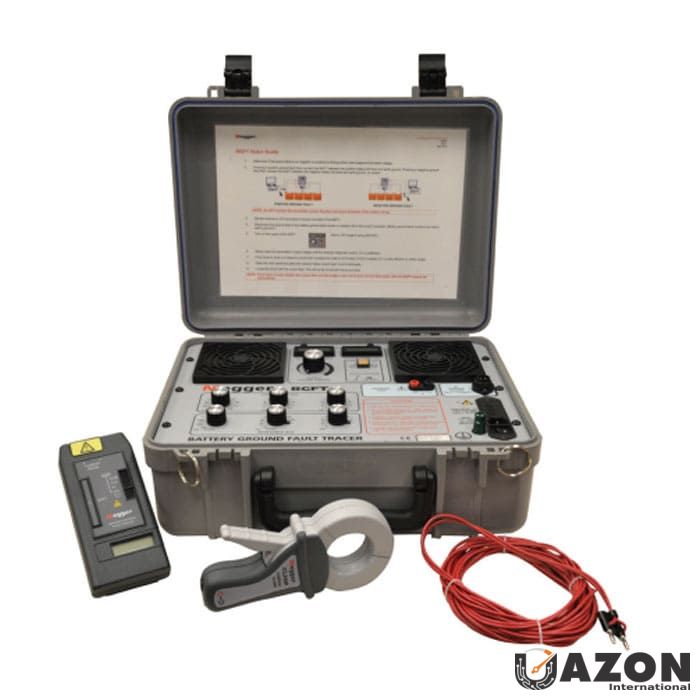
Identifying and tracing ground faults in ungrounded DC systems, such as battery banks and critical power supplies, can be a daunting task, particularly when working in electrically noisy environments. The Megger BGFT-Battery Ground Fault Tracer is engineered specifically to overcome these challenges, providing engineers and technicians with a reliable method for locating elusive faults. This dual-range instrument combines economy with high performance, offering an easy-to-use solution for identifying, tracing, and locating ground faults that could otherwise compromise system integrity. When considering the best price for operational reliability, the Megger BGFT stands out as an essential tool for maintaining uninterrupted power continuity.
The device is particularly effective in high electrical noise environments, a common occurrence in industrial settings where variable frequency drives and other equipment generate significant interference. The strength of the test signal can be adjusted, allowing the operator to filter out background noise and focus on the specific fault signature. By utilizing the Megger BGFT, maintenance teams can pinpoint issues before they lead to catastrophic failures, ensuring safety and reducing downtime.
Technical Features and Field Applications of the Megger BGFT
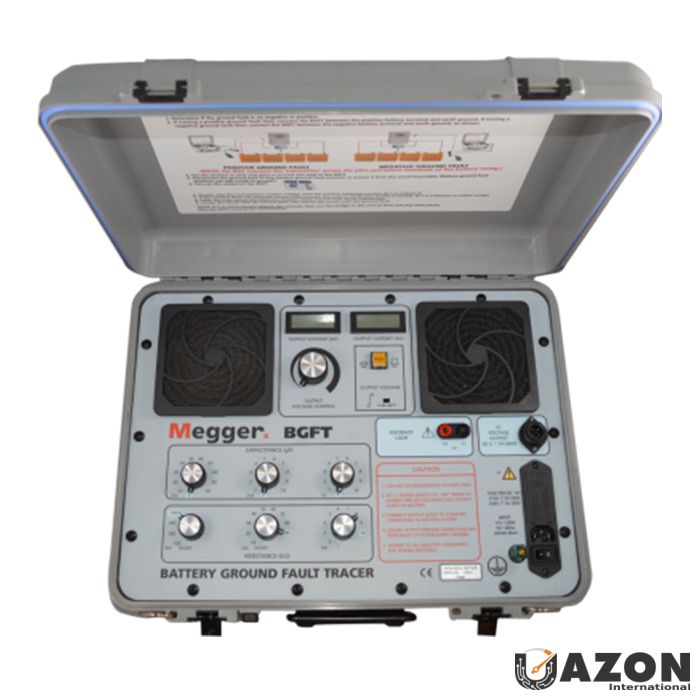
The core of the Megger BGFT’s capability lies in its dual-range functionality, which is designed to provide both safety and versatility in the field. The low range offers added safety for sensitive applications, while the high range provides the necessary power to locate high impedance faults that might be invisible to lesser instruments. This flexibility is crucial when working with complex DC systems that exhibit varying degrees of capacitance and resistance. Below are the key technical features that define the performance and utility of the Megger BGFT in real-world scenarios.
- Easily Locates Ground Faults in Ungrounded DC Systems: The instrument is optimized for battery banks and floating DC networks, allowing operators to trace fault paths without shutting down the system. This capability is vital for critical infrastructure where continuous operation is mandatory.
- Operates in High Electrical Noise Environments: Unlike standard continuity testers, the BGFT utilizes a specific test frequency that resists interference from surrounding electrical equipment. This ensures accurate readings even in the noisiest industrial plants.
- High/Low Switch for Safety and Power: The inclusion of a dual-range switch allows users to start with a low-voltage signal for safety and then switch to a higher voltage to overcome resistance in long cable runs. This feature is essential for locating high impedance faults effectively.
- Capable of Locating Faults on Systems with High Capacitance: Many modern DC systems include large filter capacitors that can mask ground faults. The Megger BGFT is designed to work reliably on these high capacitance lines, ensuring that faults are detected accurately regardless of the system configuration.
Performance Specifications and Operational Capabilities
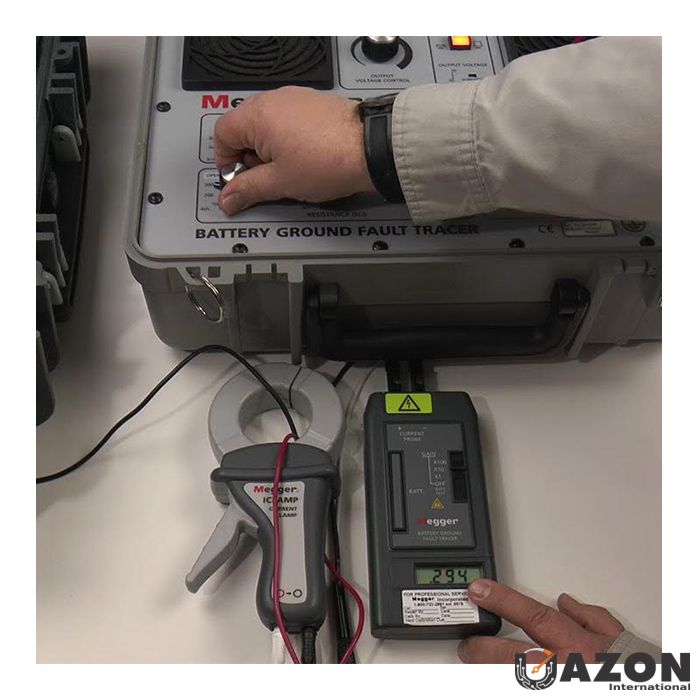
Understanding the technical specifications of the Megger BGFT is essential for integrating it into your maintenance workflow. The device is designed with a transmitter and a receiver, each optimized for specific tasks within the fault tracing process. The transmitter generates the test signal, while the receiver detects and quantifies the fault current. These components work in harmony to provide precise measurements across a wide range of operating conditions. When looking for the best price on high-precision testing equipment, the specifications of the Megger BGFT justify its value through robust performance and durability.
The following specifications detail the electrical and physical characteristics of the instrument. These metrics define the operational envelope of the device, ensuring it meets the rigorous demands of field testing. From power input to environmental resilience, every aspect of the Megger BGFT is engineered for professional use.
- Transmitter Power Input: The transmitter is available in two configurations to suit different regional power standards. The 246100C model operates on 115 V AC ±10% at 50/60 Hz with a maximum power of 200 VA, while the 246100C-47 model is designed for 230 V AC ±10% at 50/60 Hz, also with a 200 VA maximum rating.
- Receiver Power Source: The receiver is powered by a single 9-volt alkaline battery, providing up to 40 hours of continuous use at 20°C. This long battery life ensures that the instrument remains operational throughout extended testing sessions without frequent battery changes.
- Source Voltage and Current: The instrument features a variable source voltage with distinct ranges for low and high settings.