



Description
About this model
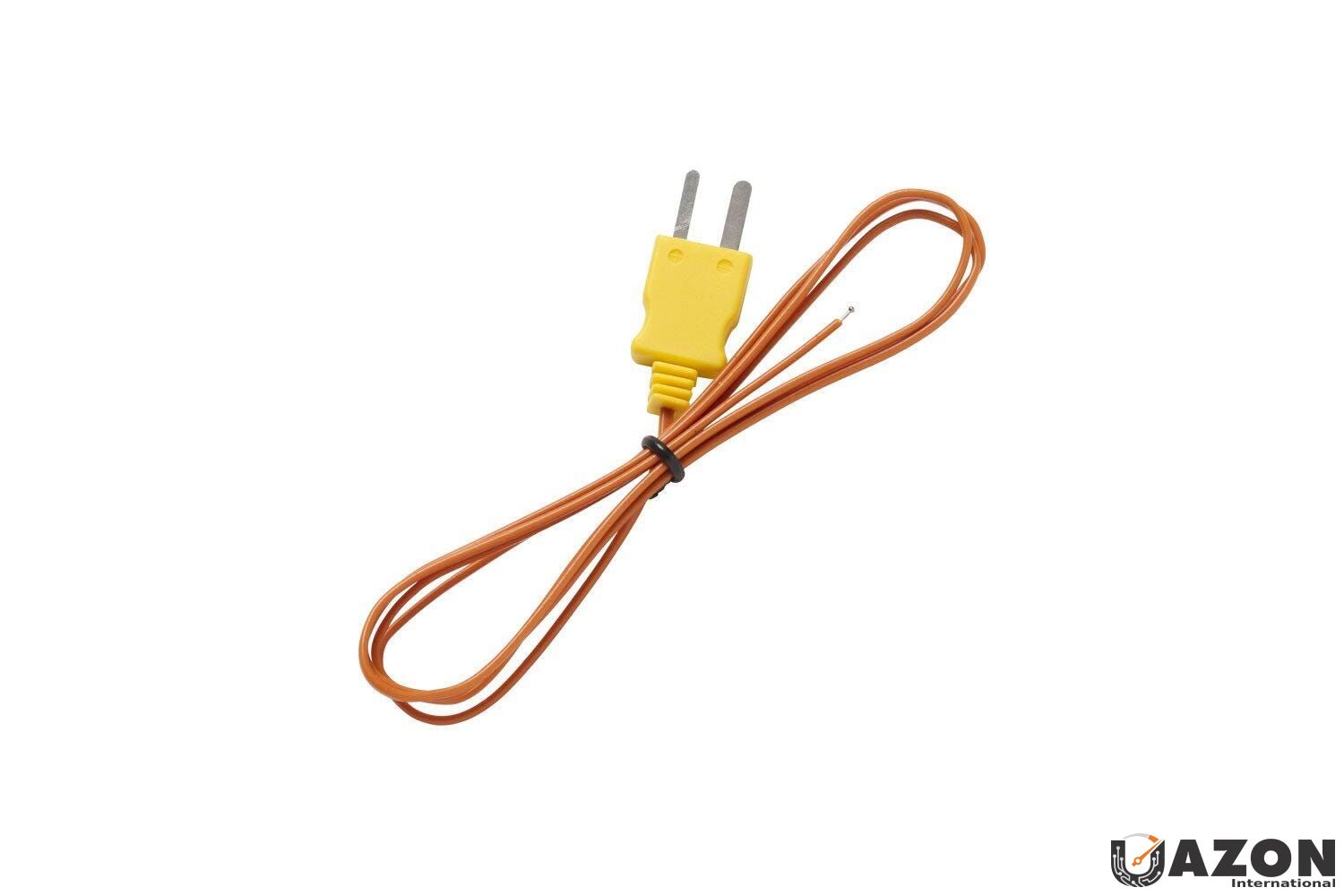
The Fluke 80PK-1 (Fluke part number 750422) is a general-purpose Type K bead thermocouple: a bare measuring junction at the end of a thin, flexible lead. Because the exposed bead has very little thermal mass, it settles on a new temperature in seconds, which suits quick air, vent and surface checks with a meter you already carry. Fluke rates it for continuous use from -40 °C to 260 °C (-40 °F to 500 °F).
The lead is about one metre long and finishes in a yellow miniature Type K connector. Any instrument with a matching mini thermocouple input and cold-junction compensation can read it; the overall accuracy is the probe tolerance combined with the instrument's own Type K accuracy. Full figures are in the Specification tab.
Where the 80PK-1 bead probe earns its place
- HVAC air temperatures: supply and return air at grilles, diffusers and fan-coil units, where the small bead responds faster than a sheathed probe.
- Surface spot checks: motor housings, bearing caps, pipe walls and enclosures, held firmly against the surface or taped in place.
- Electronics and bench work: component and heatsink temperatures on de-energised or low-voltage circuits, where a fine tip can reach between parts.
- Taped-on logging: left attached to a surface while a logging meter or thermometer records the trend.
Getting accurate readings with a bead thermocouple
Most errors with a bead probe come from poor contact, not from the sensor. Fluke's instruction sheet recommends firm contact pressure, a thin layer of heat-transfer compound such as silicone grease, or thermal epoxy for a semi-permanent fixing. When the surface is hotter than the room, move the bead until the reading peaks; when it is colder, move it until the reading bottoms out. Near room temperature, take the value once the display stops changing.
Two handling points keep the probe working: avoid sharp, repeated bends, especially close to the plug, and keep the cable away from anything hotter than its 260 °C insulation rating.
Safety limits you need to know
The bead is electrically connected to the connector pins. Fluke states the probe must not be used where voltages above 24 V AC rms or 60 V DC are present, so measure busbars, terminals and live conductors only after isolation, or choose a different method. The 80PK-1 is not designed for liquid immersion and should only be used in environments compatible with Teflon; above 260 °C the insulation can give off toxic fumes.
Instruments Fluke lists as compatible
Fluke's product page lists the 80PK-1 as compatible with these instruments:
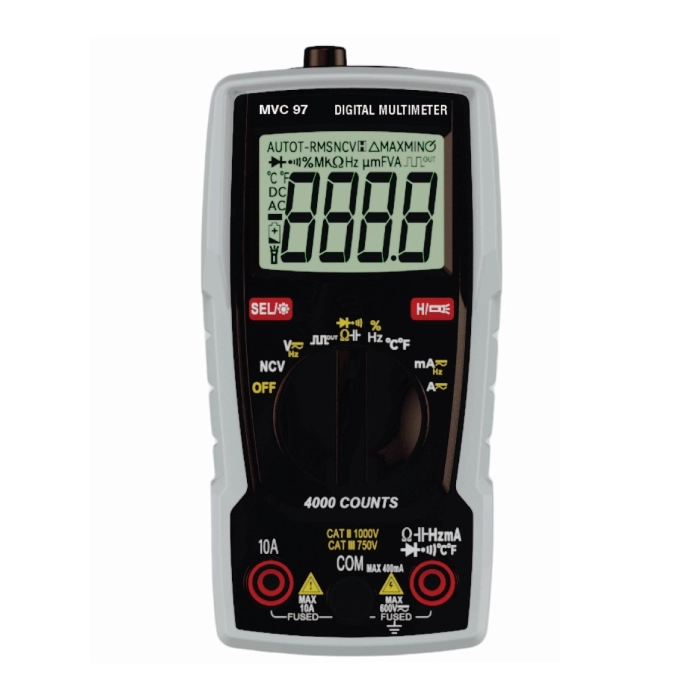
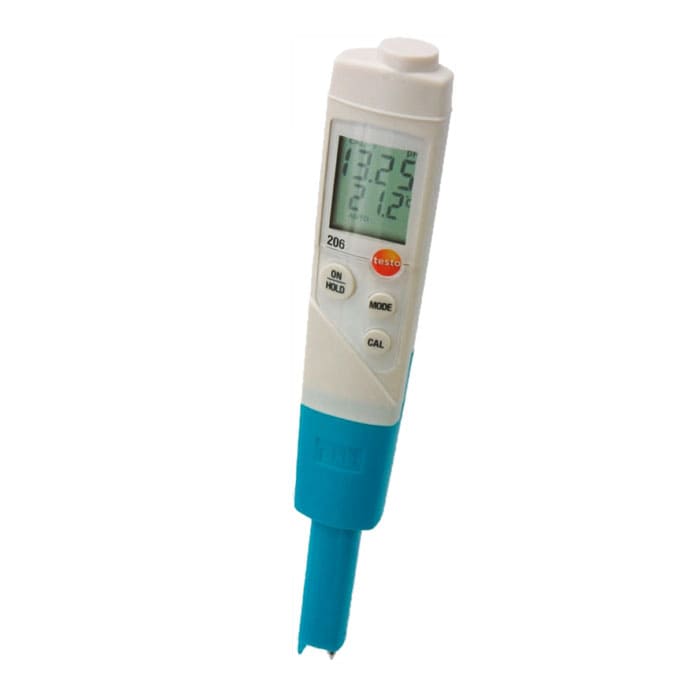
- Digital multimeters: Fluke 175, 177, 179 and 179 IMSK kit, 87V MAX and 87V MAX E2 kit, 287, 289, 27 II, 28 II, 28 II Ex and 233.
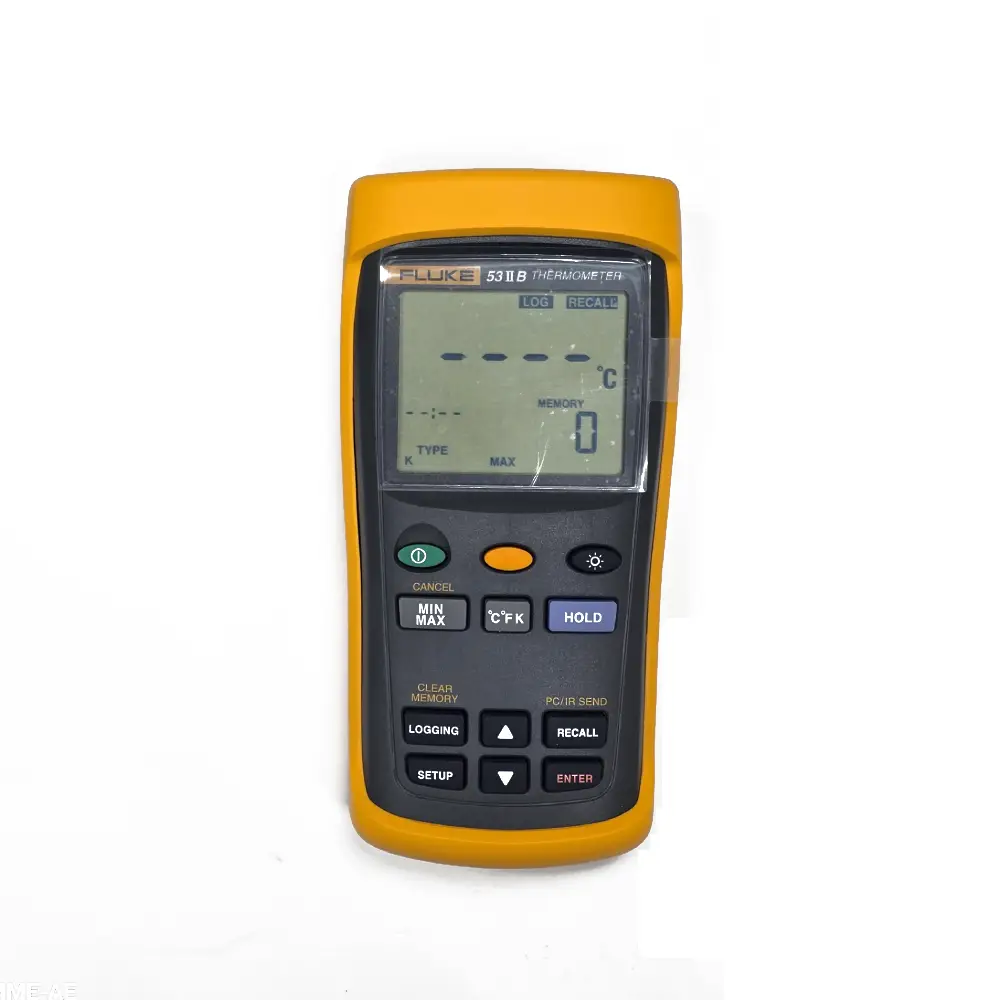
- Contact thermometers: Fluke 51 II and 53 II.
- Infrared thermometers: Fluke 561 and 572-2.
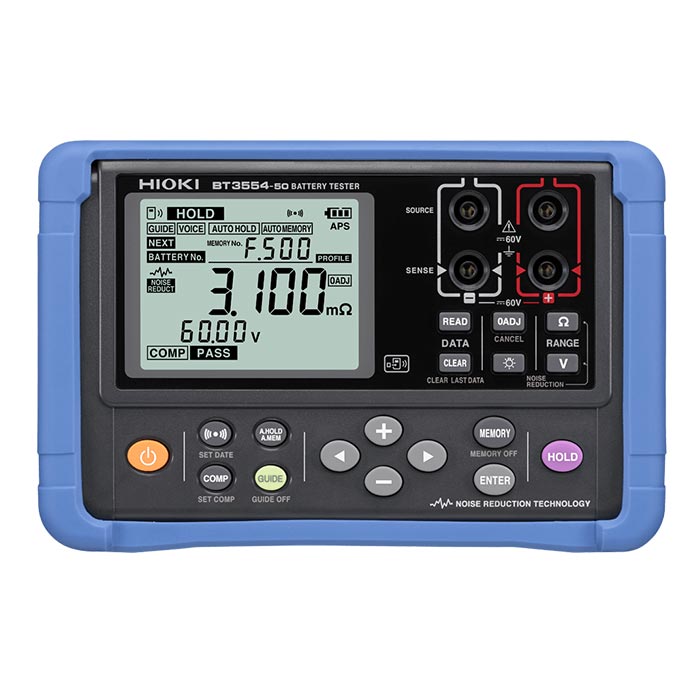
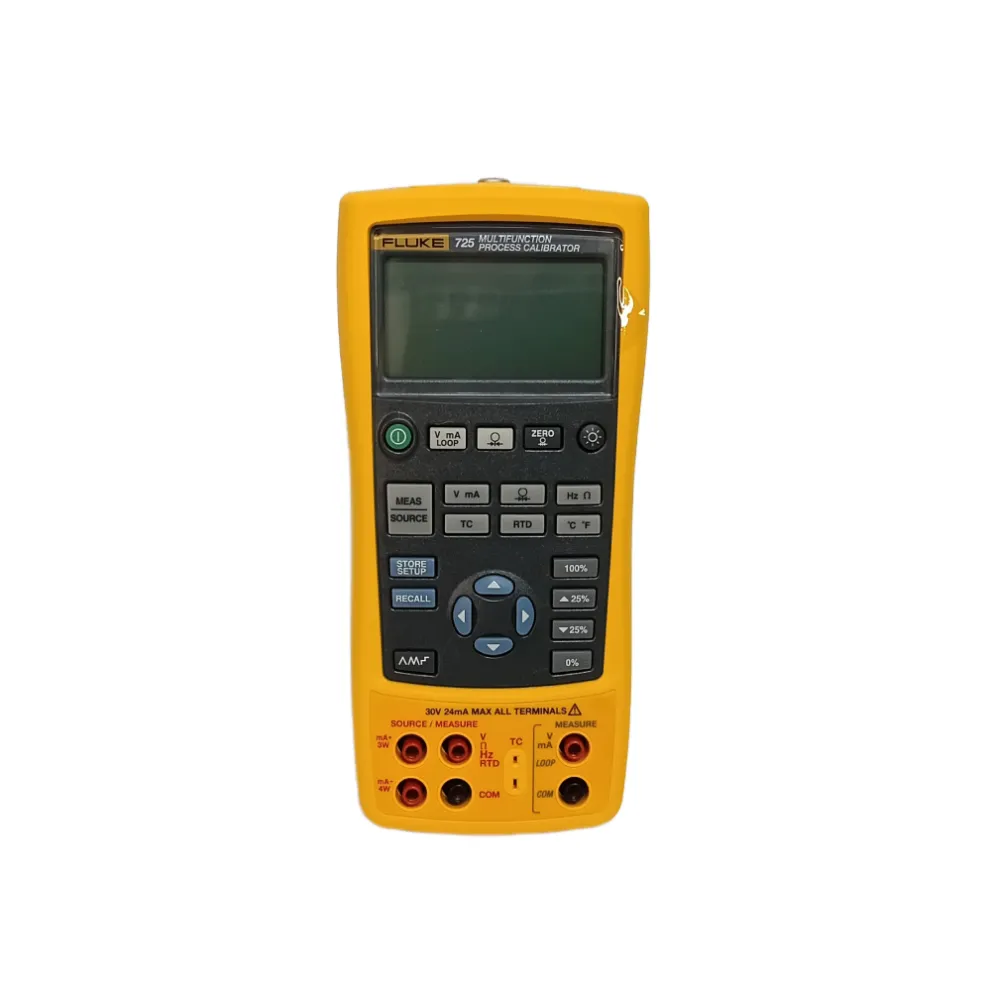
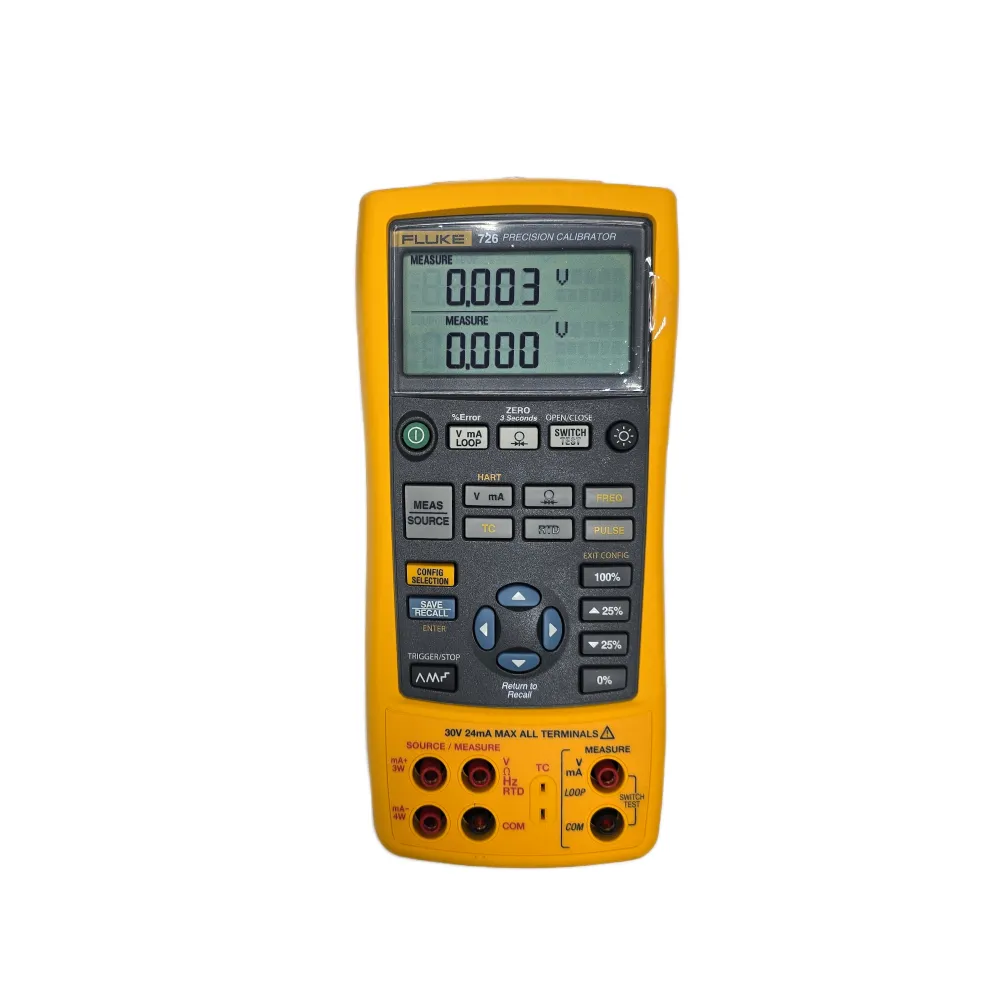
- Calibrators: Fluke 714B, 724, 725, 725Ex, 726, 753, 754 and the Fluke Calibration 1524 readout.
Beyond this list, Fluke states the probe works with any temperature instrument that accepts Type K thermocouples through a miniature connector and has cold-junction compensation. Such inputs are usually yellow or marked with a "K".
Frequently asked questions
Can I put the Fluke 80PK-1 in water or oil?
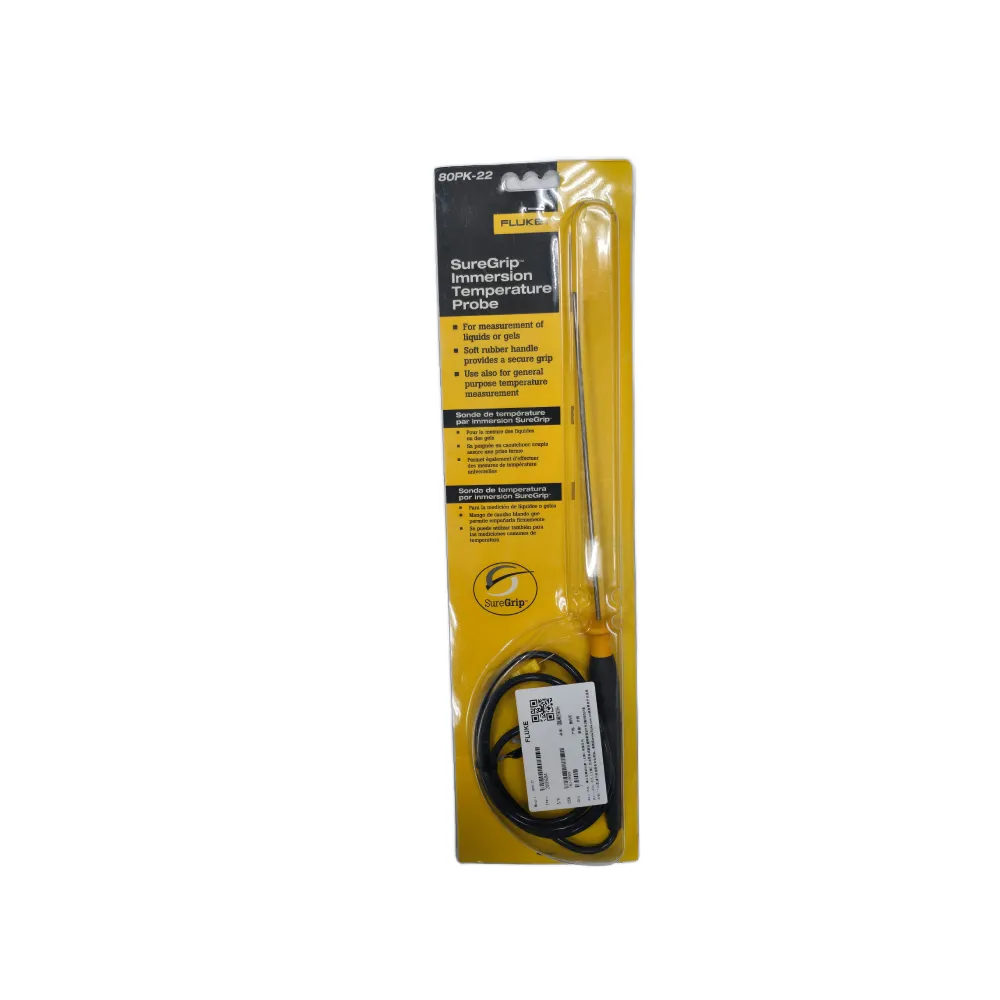
No. Fluke states the 80PK-1 is not suitable for liquid immersion. For liquids and gels, look at the Fluke 80PK-22 immersion probe.
What is the highest temperature the 80PK-1 can measure?
260 °C (500 °F) continuously. That limit is set mainly by the Teflon insulation; Fluke notes the bead itself can briefly see higher temperatures without damage. The plug body is rated to 200 °C, so keep it away from the heat source.
My meter has banana sockets. Will the 80PK-1 plug in directly?
Only if the instrument has a miniature Type K thermocouple input. The 80PK-1 has a yellow mini connector with 0.312 in pin spacing, not banana plugs.
How do I check whether the probe is broken?
With nothing hot or cold on the bead, a working probe should read room temperature. Fluke suggests checking pin-to-pin continuity with an ohmmeter: 10 Ω or less means the circuit is intact. Shorting the meter's input pins with a piece of wire should also show room temperature if the meter itself is fine.
Is the 80PK-1 a good choice for flat or industrial surfaces?
For quick spot checks, yes, with good contact. For frequent surface work on rough or hot equipment, a dedicated surface probe such as the Fluke 80PK-27 industrial surface probe is built for that job.
Related pages
Browse more test leads and probes, digital thermometers and other Fluke instruments at Uazon.
Case study: checking supply-air temperature at an office fan-coil unit
This is a typical worked example, not a specific customer project.
A facilities technician in Dubai gets a complaint that one meeting room never cools down, although the thermostat calls for cooling. Before opening the unit, the technician wants a quick supply-air reading at the ceiling diffuser.
- Set-up: the bead probe is plugged into a multimeter with a Type K input. With nothing on the bead, the display shows room temperature, which confirms the probe and meter are working.
- Supply air: the bare bead is held in the airstream just inside the diffuser face, clear of the metal. Fluke specifies a 2-second time constant in fast-moving air (65 ft/s), so in a diffuser airstream the reading settles within a few seconds.
- Return air: the same check at the return grille gives the temperature difference across the coil.
A small difference points to a coil, valve or chilled-water problem rather than the thermostat, so the job goes to the right trade first.
Source: Fluke 80PK-1 product page